

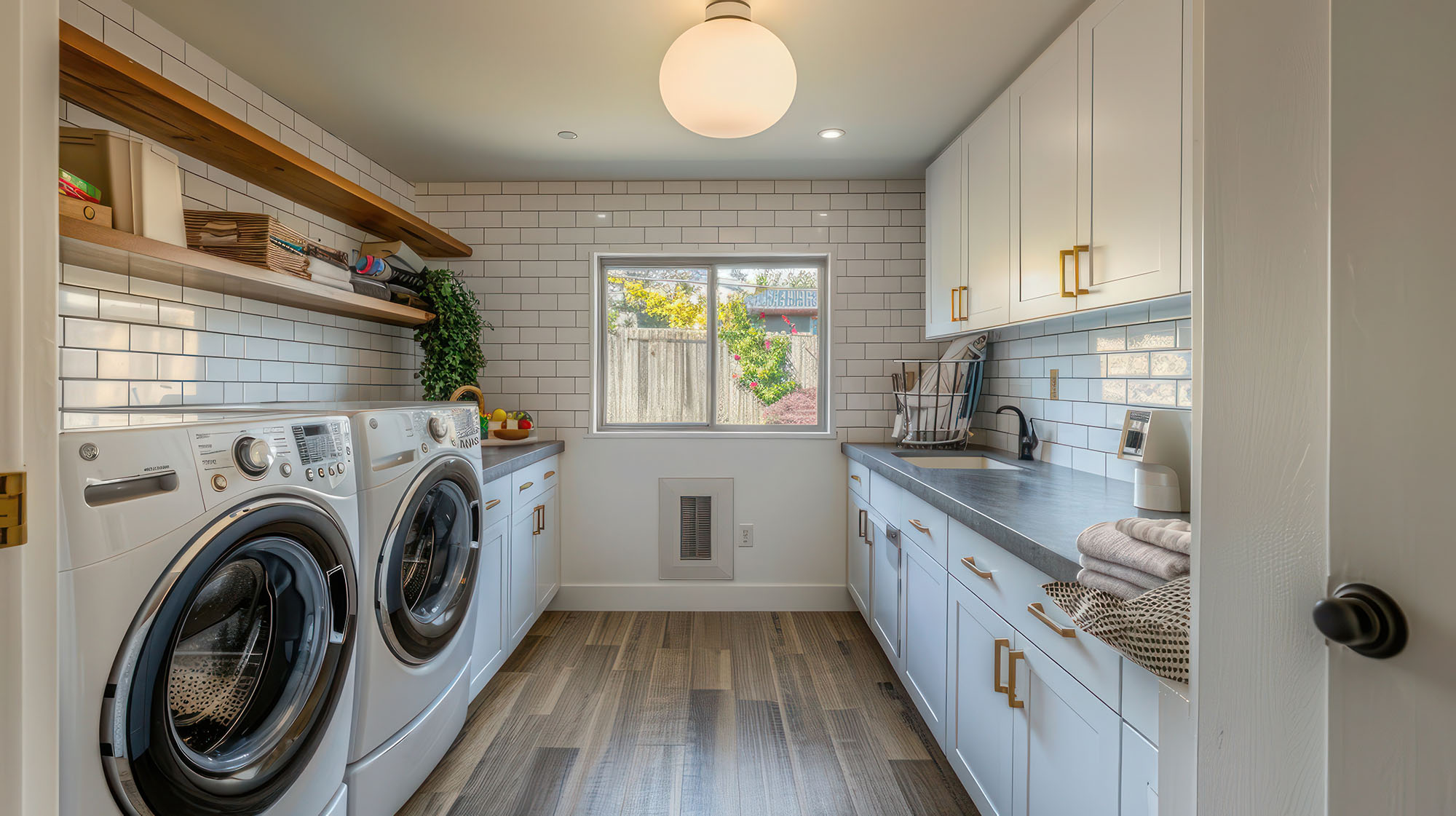
Waterproof vinyl flooring is designed to handle everyday spills, splashes, and moisture on its surface. That makes it an appealing option for kitchens, laundry rooms, basements, and busy family spaces. However, waterproof does not mean your entire floor assembly is protected from every source of moisture.
Before vinyl flooring installation begins, the subfloor needs to be evaluated for moisture and other conditions that could affect performance. Skipping this step can lead to installation problems, trapped moisture, adhesive failure, or damage to materials beneath the finished floor. Understanding why testing matters helps you make a more informed flooring decision.
Waterproof Vinyl Protects Against More Than It Solves
Waterproof vinyl flooring is designed to resist water penetration through the product itself, but the floor underneath it still matters. Moisture can come from concrete, plumbing leaks, damp building materials, or water entering through the foundation. When moisture becomes trapped beneath an impermeable flooring surface, it may contribute to problems with adhesives, underlayment, or the subfloor.
In some situations, moisture conditions can also encourage microbial growth in susceptible materials. The exact risks depend on the flooring construction, installation method, and building conditions. A waterproof plank cannot correct an existing moisture problem, so the source needs to be identified before installation proceeds.
Why Concrete Subfloors Need Special Attention
Concrete is a common subfloor in basements and many ground-level spaces. Even when a slab looks dry, moisture vapor can move through it from the ground below. That is why visual inspection alone is not enough. A concrete surface may appear ready for flooring while still having moisture levels that exceed the product or adhesive manufacturer's requirements.
Professional testing can help establish whether the slab is suitable for the planned installation. The appropriate method depends on the flooring system and applicable industry guidance. Some projects may require relative humidity testing within the slab, while others may use additional methods specified by the manufacturer. If results exceed the permitted limits, the installer may recommend further investigation, moisture mitigation, or a different flooring approach.
Vinyl Subfloor Preparation Goes Beyond Testing
Moisture testing is one part of vinyl subfloor preparation. The surface also needs to meet the flooring manufacturer's requirements for flatness, cleanliness, stability, and structural condition. Cracks, uneven areas, loose materials, old adhesive, and damaged sections may need attention before installation. These issues can affect how the planks or tiles sit, lock together, or adhere to the surface.
Installation method matters, too. Floating vinyl, glue-down vinyl, and different rigid-core products can have different preparation requirements. An adhesive-based system may have specific moisture limits that differ from those of another product. Following the product instructions helps prevent avoidable problems and gives the floor a suitable foundation.
Basements and Laundry Rooms Have Different Risks
In Buffalo-area homes, basements deserve careful assessment because seasonal precipitation, groundwater conditions, foundation drainage, and older construction can influence moisture levels. A basement that has experienced seepage or persistent dampness should be evaluated before any new floor covering is installed.
Laundry rooms present different concerns. Washing machines, supply hoses, drains, and utility sinks can introduce water from above, while ground-level laundry areas may also have concrete subfloors. Addressing plumbing issues, inspecting the existing floor, and confirming that the subfloor meets installation requirements can help reduce the risk of future damage.
Plan Your Vinyl Installation Around the Whole Floor
Choosing waterproof vinyl is a useful starting point, but the best results come from evaluating the entire installation system. Consider the room's moisture exposure, the subfloor material, the product specifications, and the installation method before making a final decision.
At Carpet Factory Outlet, you can explore flooring options and discuss the requirements of your project. Visit our showroom at Buffalo, NY, Cheektowaga, NY, Amherst, NY, East Amherst, NY to compare styles and learn more about selecting vinyl for different rooms. Contact us today to plan your flooring project with attention to both the visible surface and the foundation beneath it.


